231-922-9460 | Google +

Showing posts with label quilting. Show all posts

Thursday, May 14, 2009

Good Business In Quilting
Story from Pittsburgh Post Gazette

Karen Montgomery is good at piecing things together -- in more ways than one.
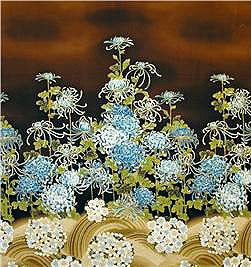
Mrs. Montgomery, of Hampton, is owner of The Quilt Co. Inc. and is one of many quilting fabric designers, pattern designer, writer, teacher and marketer.

This week, she'll have an active role at the International Quilt Market, a trade show at the David L. Lawrence Convention Center, Downtown. She'll teach workshops, help to market the fabric she designs and her own line of patterns, and welcome many of those attending the market to her shop in Hampton.

Mrs. Montgomery, 51, has owned The Quilt Co. for 15 years, but she has been sewing a lot longer than that. "I think I've sewn forever," she said. "My mom was an excellent seamstress and taught me."

She learned other crafts in her various jobs, which included working as a regional coordinator for Leewards craft store. One of those crafts was quilting.

"I learned a lot of crafts, but quilting was something I loved right away and knew I would want to do it forever," she said.

The plan to open her shop began when the family was living in New Hampshire and the company her husband, Cary, worked for wanted to transfer them to south central Los Angeles.

"We knew that we didn't want to move our family there," said Mrs. Montgomery, a native of Hampton. "He said that maybe it was a good time to move back home and open the quilting store that I kept talking about."

So, they moved back to Hampton and she opened the store in December 1993. Over the past 15 years, the shop has become one of the largest quilting stores in Western Pennsylvania, and she has built an international reputation in the quilting world.

The store stocks thousands of quilting fabrics, patterns, books and supplies and offers dozens of classes.

Mrs. Montgomery has published her own line of quilting patterns and quilting books.

"Basically, I create the pattern, and then write the directions to complete the projects," she said.

She also designs fabrics for the company, Timeless Treasures, and helps to market the products for it.

Mrs. Montgomery is a frequent contributor to quilting magazines, including a column in the Fab Shop News, a trade publication. Her designs have been featured in several quilting magazines.

At The Quilt Co., Mrs. Montgomery and her staff of 12 part-timers offer numerous quilting classes, including Block-of-the-Month, which students join for $5. At the first gathering, they learn how to create a block to complete for the next month, then get the supplies for the next block free, as long as they have done their homework and attend class. "We also do a charity event. We are currently making 50 quilts for Bethlehem Haven," she said.

The international market this week is one of two held each year in the United States. It is a trade show and is not open to the public but will draw quilters from all over the world, said Mrs. Montgomery, who has attended 32 such markets.

"This is where we go to buy books, materials, and quilting patterns and to take classes and learn new things to take back to our consumers," she said.

The organizers of the market this year will offer field trips to Lancaster, home to Amish quilters. "Then they will visit three shops in our area, and ours in one of them," Mrs. Montgomery said.

At the market, Mrs. Montgomery will represent both Timeless Treasures and the Quilt Co. and teach a few classes.

"I will give a lecture on buying -- what kinds of questions the owners should ask themselves before they buy fabrics for their shops. For some of them, this will be the first market place and they are like kids in a candy store," she said.

Her new collection for Timeless Treasures will be also be introduced at the market.

Friday, April 17, 2009

Working to Help Others
Story from the Easton Courier

Polly Edwards has been sewing since she was a young girl. She liked nice clothes while growing up but money was tight, so her mother told her she would supply the fabric as long as her daughter put in the effort.

quilting fabrics“I loved sewing — working with fabric,” said Edwards, noting her family had a good friend who owned a dress shop. When she would finish one project, her mother would buy the fabric for the next one.

Later, when pregnant with her first child, Edwards took up quilting. It’s a hobby she has continued to pursue in the decades since.

Edwards is a member of Fiber Hearts, a local women’s organization for quilters, knitters, sewers and others who work with the fiber arts. The group frequently makes items for charitable causes.

An exhibit of work by Fiber Hearts members runs through May 12 at the Easton Public Library. A public reception will take place Saturday, April 25, from noon to 3. Visitors may talk to the quilters about their work and the causes they support.

Fiber Hearts has about 15 active members and meets twice a month at the library. They make patchwork quilts and hooked rugs, they knit, they cross stitch, and they work on alternative crafts. They also like each other’s company.

“We’re just a laid-back group of women that enjoys getting together,” said Edwards, who helped start the group in 2003.

“It’s almost like an old-fashioned quilting bee,” Fiber Hearts member Cheryl Everett said of their meetings. “You talk about your kids, your family and your quilting patterns.”

Kristin Everett, Cheryl’s daughter and the group’s youngest member, started making quilts when she was in college. She then taught many of her college friends how to quilt.

After Hurricane Katrina in 2005, she and her college pals made quilts to send to people in need in New Orleans.

Her older sister, Liz Steese, also belongs to Fiber Hearts. The group made a quilt to give to Steese as a surprise gift for her wedding. That quilt is part of the library exhibit.

Cheryl Everett has sewed since a young age as well. She makes quilts for her home and to give as gifts.

Many of the group’s members learned about quilting and quilting fabrics from Edwards, who has taught personal enrichment classes at Easton schools and the library.

After meeting in the classes, the women decided they would get together regularly. They soon were making quilts for nonprofit organizations, donating them to hospitals for children with cancer and other causes. They also have sent care packages to U.S. troops overseas and to children in Africa.

Kristin Everett said many people are interested in quilting but don’t how to start. It’s also not an inexpensive hobby. Edwards likes to teach friends so they may make gifts for their children or relatives.

The women work mostly with wool, flannel and cotton quilting fabrics. They usually start with a design idea that comes from a photograph they see, a pattern they like, or from a quilting book, magazine or online site.

The basic ingredients for quilting are fabric, a sewing machine, quilting tools such as scissors and cutting devices, quilting thread — and time.

Quilting is not a quick process. “You don’t end up with a product in a day,” Edwards said. “I’ve taken from a week to five years to finish things. I never have one project going at one time.”

Kristen Everett said deadlines like birthdays, wedding showers and holidays are great motivators to finish projects.

The inside of quilts are filled with “batting” to make them warm. “It’s called sandwiching,” Edwards said of the two layers of fabric and the one layer of batting in between.

The women like to go to quilt shows together, and often take trips to a vacation home in Vermont to spend time quilting and visiting quilting and fabric shops.

“We all bring our sewing machines,” Kristin Everett said. “We only stop sewing to eat.”

Edwards agreed with that description. “We basically sit in our pajamas and sew,” she said.

On their last trip, the women made 45 pillowcases to be given to ill children.

Edwards worries quilting could become a lost art in the United States. Items may be made much cheaper elsewhere, such as China, and sold for as little as $40 at mass retailers. “The U.S. can’t compete,” she said.

Cheryl Everett thinks quilting will be around for a long time “It seems to be getting more popular,” she said. “All the high-tech tools, such as computerized sewing machines and new cutting devices, make it easier.”

Despite that, she still is hanging on to her mother’s non-electric treadle sewing machine that must be pumped by foot.

She hasn’t used the old machine in 20 years because it needs a belt, but it reminds her of a simpler time. Her mother had been a seamstress at a Bridgeport factory.

“I can remember seeing rows and rows of sewing machines at the factory,” Cheryl Edwards said.

Friday, April 10, 2009

Creative Quilter and Innovative Husband Changed the Quilting World
Story from the Spectrum

Most of us measure time in minutes and hours, but St. George resident Marilyn Badger thinks in bobbins and threads. Her creative ability to mix colors, textures and designs gives birth to exquisite works of art.

Her medium: fabric.

Badger is known as a "master quilter" to some and by others, "quilter extraordinaire."

"Quilting started as a hobby and turned into a full-time job," Badger said.

Badger has been featured in many magazine and newspaper articles, won numerous awards from competitive quilting shows with ribbons that wallpaper her workroom wall, and regularly appears on various quilting shows. Originally from Memphis, Tenn., Badger has a past as interesting and colorful as one of her quilts. The beginning of her quilting story actually starts with her grandmother.

"My mother was into crocheting and sewing clothes," Badger said. "My grandmother (quilted), and I've since learned that it sometimes skips a generation like that. My grandmother made me a quilt when she was 90, and it was her last quilt she did. It was all hand-pieced and hand-quilted."

In the late '70s, Marilyn lived with her husband Hartley Badger on a boat at Marina Del Ray, Calif. Her husband's employment as an engineer with Pacific Telephone necessitated boat trips to Canada, Mexico or the East Coast that could last up to six months. With limited space available, she began hand piecing quilt tops as a hobby that took up little room on board.

After 15 years of life on a boat, they settled in Southern Oregon, and her husband built Badger's first sewing room. With the intention of providing a little income, Badger purchased her first longarm quilting machine in 1991. It could only do vertical and horizontal stitching.

A longarm consists of a movable, hand-guided sewing machine arm which can stitch through the quilt top, batting and quilt back with less time than hand quilting.

That first year Badger made 300 quilts for people and paid for her machine in six months. Five years later and wanting to do more, she asked her husband to create something to help her do diagonal and circular stitching directly to quilting fabrics.

With his background in engineering, he invented the "Hartley Fence," an accessory to enhance longarm quilting.

Then he suggested she send pictures of her unique longarm quilt - on which she used the Hartley Fence to stitch diagonal patterns - to Jeff Jochims, president of American Professional Quilting Systems, the manufacturer of the longarm machine. That led to the offer of working at a quilt show in Portland, Ore.

She agreed and brought quilts to display. It was the beginning of a new direction for the couple.

"I took that quilt, and it got a lot of attention from the industry," Badger said. "The owner of the APQS company called me afterwards and said, "'FedEx that quilt to me right away because Traditional Quiltworks Magazine wants it for their cover.' He told me it was the first time a longarm quilt had ever been featured on the cover. It was really big news."

Jochims also invited her to appear on a PBS show called "Love of Quilting: with Fonz and Porter." She began participating in competitive quilt shows, teaching quilting classes and her husband started a business line of accessories for long arm quilting. His latest innovation is called "Micro Drive."

In 2003, after hearing about St. George, the Badgers visited and decided to relocate to St. George. They bought a lot at SunRiver that same visit.

They love to golf, and she continues her passion for quilting. She is also a welcome addition to the local Dixie Quilt Guild.

Margaret Miller, co-chair of the Festival of Fabric Arts show said they are fortunate to have Badger.

"In spite of her international exposure, Marilyn is so gracious in sharing her talent and encouraging beginner quilters," Miller said.

She said the public can view Badger's work at the festival this weekend. It will showcase more than 250 quilts, 89 of which are submitted for judging. Sally Hatfield, a National Quilter Association Certified judge from Arizona will oversee the judging and also present a trunk show/lecture on Friday at 1 p.m. in the Entrada Room.

The festival exhibit will include 14 of Badger's prize winning quilts and six garments - "wearable art" - also created by her.

Tuesday, April 7, 2009

Jo-Ann Fabrics Refuses to Carry "Racy" Quilting Magazine
Story from the Detroit Free Press

Sex sells. Even, it seems, when it comes to quilting.

borntoquilt.com quilting fabricsThe March issue of Quilter's Home magazine sold out despite -- or maybe because of -- a little controversy. The issue came sealed in plastic, like many adult magazines, and boasted the headline: "Shocking Quilts: We show you the controversial patchwork."

Inside, an artful photo spread includes quilts stitched with a gun-toting Jesus, one woman's homage to Viagra, ample male and female nudity, and at least one newborn "peering out from his mother's lady parts," as it was described recently in the Washington Post.

Needless to say, the graphic images have caused quite a stir in quilting circles. At least one major hobby retailer, Jo-Ann Fabric and Crafts, pulled the issue from its stores across the country. And the debate continues to rage in quilting forums online, where some are calling the material "objectionable" and others are praising the magazine's creator, Mark Lipinski.

"The quilts are not offensive. Jo-Ann's small-minded censorship is," wrote a poster at www.marklipinski.com.

Jo-Ann's declined to comment, but has pledged to carry future issues.

Reached by phone at his home in New Jersey, Lipinski, 50, said Quilter's Home has always attempted to change the perception that all quilters are conservative older women with nothing on their minds but quilting fabrics and thread.

"All the other quilting magazines you see are tea parties, and we're more like a cocktail party," Lipinski said. "Everyone loves a cocktail party."

Wednesday, April 16, 2008

Stitching Up the Future

Paducah, KY quilting museum
The Revived Art of Quilting Brings a Kentucky Ghost Town Back to Life

What Italy provides for people who love food is what Paducah does for quilting. A small Kentucky town on the Ohio River halfway between St. Louis and Nashville, Tenn., Paducah has become one of the prime destinations for quilt tourism, 21st-century style.

In late April every year, the American Quilter's Society draws 35,000 quilt makers and quilt lovers to Paducah for one of the biggest quilt shows in the country. The niche craft has been used as an economic engine to revive this once-declining town. The story of Paducah also helps demonstrate why quilting is now a $3.3 billion industry, with an estimated 27 million enthusiasts.

When I first came here in 2002 to research a book about the modern quilt world, I was stunned by the enormity and sophistication of the AQS show. Similar to this year, there were about 400 contest quilts on display in the convention center, more than 250 vendors selling quilt supplies, 150 classes and loads of lectures. The intricate quilts ranged from traditional appliqué and patchwork block patterns to striking original designs such as portraits and painterly abstracts. The cash prizes given to the winning quilters totaled $100,000.

This is the handiwork of Bill and Meredith Schroeder, who decided to turn Paducah into "Quilt City USA," a name they trademarked after creating the American Quilter's Society and staging the first show in 1985. Along with publishing a quilting magazine and how-to books, they founded and funded a $2.2 million quilt museum in 1991, building it just steps from the convention center. The museum's year-round quilting exhibits and classes help make Paducah more than a seasonal stopping place.

Writer Meg Cox explains how Paducah has used the arts to propel its economy and why it has earned the distinction Quilt City, USA.

Shrewdly, the Schroeders stipulated that the annual show's top prize-winners would get a hefty cash prize only if they gave their quilt to the museum. Now the museum is among a select group "that not only have strong and expanding collections of quilts, but are active forces in making these collections accessible for research and educational use," says quilt historian Marsha MacDowell, curator of the Michigan State University Museum in East Lansing, home of the Great Lakes Quilt Center.

During the show, quilts decorate almost every shop window in town -- for the first time this year some of the contest quilts will be for sale at the show -- and an annual exhibit of antique quilts fills the Civic Center. Locals rent out rooms to visitors. When the show ends each day, quilters crowd into Market House Square, the heart of the restored downtown. The most-popular eateries are those with the television tuned to the Quilt Channel: During this week, Channel 17 on local cable runs programming and interviews about the quilt show every day until midnight.

Gerry Montgomery, who was mayor 20 years ago, says the downtown died after a big shopping mall opened out of town in the early 1980s. But after the quilt show began, vendors starting opening in the vacant buildings in the center of town. "Locals and out-of-towners saw quilters walking down the street with shopping bags and soon had ideas on how to bring a ghost town back to life," she says.

As quilters boosted the local economy, the town's planners started an Artist Relocation Project in 2000, practically giving away derelict downtown buildings to artists and crafters willing to turn them into living spaces, studios and galleries. There are now 50 artists living and working in the Lowertown arts district, and 18 art galleries. Tourist dollars flowing into Paducah grew to $276 million in 2006 from $66 million in 1991, the year the quilt museum opened.

Not everything is perfect in this quiltopia. In recent years, the AQS says that the Executive Inn, the hotel next to the convention center, had deteriorated so much that the society threatened to pack up its quilt show and leave town. (Tourism locals say that some upgrades have since been made to the hotel. Bhupindar Singh, owner of the Executive Inn, declined to comment.)

Now, the city leaders are negotiating deals for developers to build a bigger hotel and convention center as part of a $50 million plan to develop Paducah's riverfront.

Paducah's success in quilt tourism has spawned a rise in big quilt shows across the country. In 2000, the AQS added a summer show in Nashville, and in October it will inaugurate an annual fall show in Des Moines, Iowa. Even bigger than the Paducah show is the International Quilt Festival, which takes place every fall in Houston.

The town's rebirth dovetails with a rising national interest in quilting. The comeback was helped, in part, by the 1976 Bicentennial, when quilts were made to mark the celebration. More recently, the vivid and original patterns of the Gee's Bend quilters of Alabama have toured the country's top art museums. Now, serious quilters can take classes online, search 1,000 quilt shops for the quilting fabric they need and blog about their latest quilt.

Bus trips to see quilting in Amish country are still plentiful, but quilt travel has also gone global and upscale. One tour operator, Sew Many Places, offers quilt-themed cruises and trips to China, Africa, Ireland and Australia.

When my mother taught me to quilt 20 years ago, it was the tail end of the post-Bicentennial nostalgia phase, and it was seen as cheating to use sewing machines at all. In 1989, when a machine-quilted piece by Caryl Bryer Fallert won the top prize at Paducah, it was a near-scandal. Many quilters were aghast, but others thought Ms. Fallert helped prove that quilting by machine wasn't just a valid design option but also a timely one. (Now, only about a third of the contest quilts in the Paducah show are hand-quilted.)

At the 2002 show, it wasn't just the craftsmanship of the quilts that amazed me, but also what the vendors were selling. Computerized sewing machines made by Bernina, Husqvarna Viking and Pfaff costing more than $4,000 offered hundreds of different stitches and let quilters embroider any design they could download.

A major fixture at the show each year is Eleanor Burns. She might look like Betty Crocker's sister, but she's the Martha Stewart of quilting, with a multimedia business called Quilt in a Day. Ms. Burns, based in California, has more than 70 books in print and has taped "Quilt in a Day," her how-to show on PBS, since 1990.

She weds old patterns to cutting-edge techniques, milking nostalgia with patterns called Romance Rose and Grandmother's Garden, while teaching quilters to use speed-cutting tools and shortcuts for piecing on the latest sewing machines.

Ms. Burns erects an enormous tent at a Paducah park and puts on three shows a day for 700 people at a time. These shows are like infomercials for her books, patterns, DVDs and custom rulers, with a lot of audience participation. This year, she'll be dressed as Rosie the Riveter to promote a new book with quick versions of quilt patterns popular in the 1940s.

Her down-home style isn't for everyone, but some fans will buy fabric scraps in plastic bags autographed by Ms. Burns.

There are many quilters who wouldn't be caught dead making a quilt pattern from yesteryear. For them, Ms. Fallert -- who took that top prize in 1989 -- is a mentor, an art quilter whose works hang in museums, and the only person ever to win the top prize in Paducah three times. A pioneer in using graphic-design software for quilts, this former stewardess also made a major commitment to Paducah, moving here a few years ago under the Artist Relocation Program.

Paducah gave her two city lots for $1, so Ms. Fallert built her dream studio and gallery in 2006, a big two-story brick building with white columns and ample porches. Visitors can stop by her gallery year-round to see examples of her vivid geometric quilts. Her shop sells fabrics, her patterns and keepsakes such as tote bags and trivets. Classes in computer design for quilts, fabric dyeing and other techniques are offered much of the year, and rooms are rented above her shop for $70 a night -- she's already booked for this year's show.

Ms. Cox, a former reporter for The Wall Street Journal, is the author of the new book "The Quilter's Catalog: A Comprehensive Resource Guide."

By Meg Cox: special to the Wall Street Journal
Wall Street Journal; April 12, 2008