231-922-9460 | Google +

Showing posts with label boating. Show all posts

Thursday, March 11, 2010

Miami Boat Show Introduces New Green Gadgets

Fort Meyers News Press


St. Paddy’s Day is just a flip of the calendar page away, and in the spirit of the holiday’s color, I offer up a few green gadgets introduced at the Miami International Boat Show.

The show still claims to be the world’s largest, despite a visible difference in bustling activity this year compared with prior years. Regardless, it remains famous for debuting products that boaters crave and announcing awards for gizmos that are the most applicable, helpful and high-tech.

This year’s theme for the new products and award winners appeared to be — you guessed it — eco-friendly.

Take Mercury’s MercMonitor, for example. It snagged the coveted, first-ever West Marine Green Product of the Year contest, which featured a panel of old-salt and tech-savvy judges known internationally in the boating world.

Not only is the device something that will help you and the environment, but it also is the color of an Irish shamrock.

It’s that color only if you’re doing everything right, though.

The gadget is a $300 vessel-monitoring system that allows you to pick three pieces of data to be displayed at once. You set up the screen, which naturally is called an “ECO-Screen,” for cruising by selecting RPM, gallons per hour and miles per gallon. You can customize it beyond that, too, for various data reporting to show what you use the most.

But it won the award because it computes calculations and displays information simply, helping boaters optimize the efficiency of their engines. (Of course, skippers have to read the thing and take corrective action, but Mercury and West Marine are assuming boat drivers will do that.) It glows green when you’re driving well.

The idea is the device helps lower fuel consumption, thus burning less fossil fuel and decreasing a boat engine’s environmental impact. The boaters benefit, too. The device helps them maximize miles per gallon. Mercury claims — and West Marine judges touted this, too — that boaters will save an average of 10 to 20 percent in fuel costs.

Talk around the show among boating writers was that the gadget seemed closely aligned to gauges being found already in vehicles. But industry types touted the MercMonitor as innovative, intuitive and original.

At least it’s not expensive, relatively speaking in the boating world. But it’s probably better designed for new boats that can be built with the device. Another problem is presented when you retrofit your boat to accommodate a gizmo that does lots of the functions of your existing gauges: leftover dash holes.

“This is for the new-boat customer or the guy who is a gadgeteer,” said Donnie Carter, a Fort Myers Merc man with Offshore Performance Specialties in south Fort Myers.

So go green and green-screened, you gadgeteers.

Another green product being talked up is the Torqeedo.

It sounds like a yummy Mexican-food appetizer, but really it’s an engine for your kayak. As if paddlesports weren’t green enough, now you can put a motor on your kayak and not increase your carbon Teva-print.

The Torqeedo engine folks won an Innovation Award from the National Marine Manufacturers Association. The contest is judged by Boating Writers International, a well-known skeptical group of longtime, “been there, done that” journalists. They praised it for “alternate propulsion” in the environmental award category.

The $1,900 engine weighs less than 18 pounds and has an 80-pound trolling-motor thrust. If your kayak tilts 90 degrees, the safety shutoff stops the engine. Its lunchbox-sized marine battery floats and is waterproof, plus the kayak company Hobie showed it off in Miami mounted so it's in no one's way. The engine's price includes a removed throttle with a display showing range and speed data that's generated using onboard GPS.

If you're a powerboater, you may be scoffing. Why would a kayaker want an engine? How 'bout for navigating a current-rippled bay? A longer-than-expected coastal tour? A quicker run to a fishing shoal?

Sometimes a boost of power makes kayaking more fun. And when you're doing it in a clean way, it's a guilt-free boost for you and Mother Earth.

Too bad the tiny engine is black instead of green.

Thursday, June 11, 2009

28 States Receive Grants To Keep Waterways Clean
Story from Kansas City InfoZine
Department of the Interior Secretary Ken Salazar announced that $14.6 million will be awarded to 28 states under the Clean Vessel Act grant program in 2009.

boat docks instantmarinedocksWashington, D.C. - infoZine - The grants will be used to fund the construction and installation of sewage pump-out facilities and floating restrooms, to purchase pump-out boats and provide educational programs for recreational boaters.

“Clean Vessel Act funds support construction of facilities in communities that depend on recreational boating for their economy, and depend on clean water for their health,” said Salazar. “These grants provide immediate funding for construction of infrastructure that will provide lasting value for recreational boaters, and everyone who relies on clean waters.”

Since the program’s inception in the early 1990s, the program – administered by the U.S. Fish and Wildlife Service – has awarded more than $163 million to states to install thousands of sewage pump-out stations. In addition, many states now rely upon mobile sewage pump-out boats to make the sewage collection process more efficient and convenient. A number of states also have begun installing floating restrooms and pump-out stations in high use areas of lakes and coastal waters.

Funding for the CVA program comes from the Sport Fishing and Boating Trust Fund, formerly known as the Aquatic Resources Trust Fund, which is supported by excise taxes levied on certain fishing and boating equipment and boat fuels.

"These Clean Vessel Act grants will help the states maintain clean and healthy waters for people and wildlife," said U.S. Fish and Wildlife Service Acting Director Rowan Gould. "Sewage pump-outs may not be the most glamorous conservation tool, but their presence can have an immediate and clear impact on the well-being of aquatic resources and recreational waterways that provide drinking water to millions of Americans."

A listing of grant awards made today include:

Alabama: $297,188 – The Alabama Department of Environmental Management plans to install ten sewage pump-out stations throughout the state for its inland and coastal waters. In addition, the agency plans to maintain efforts to inform boaters about the importance of proper sewage disposal and how it benefits the aquatic environment.

Arkansas: $323,335 – The Arkansas Game and Fish Commission plans to purchase five sewage pump-out boats and install fourteen sewage pump-out stations. The grant will also provide funds for the operations, maintenance, repair and rehabilitation of existing sewage pump-out stations as needed to keep these stations functioning.

Arizona: $150,000 – The Arizona Fish and Game Department plans to install at least five sewage pump-out facilities, eight dump stations, and purchase a sewage pump-out boat for use on inland waters.

California: $3,130,000 – The California Department of Boating and Waterways plans to install eight sewage pump-out stations, purchase two sewage pump-out boats, and install up to ten floating restrooms throughout the state for coastal and inland waters. The agency will also continue its aggressive educational program to inform boaters about the importance of proper sewage disposal.

Florida: $1,816,575 – The Florida Department of Environmental Protection plans to install more than 29 dual purpose sewage pump-out-dump station facilities for inland and coastal waters. The agency will continue its education and outreach efforts with boaters to stress the importance of proper sewage disposal.

Georgia: $63,432 – The Georgia Department of Natural Resources will install two sewage pump-out facilities and purchase a sewage pump-out boat for its inland and coastal waters.

Idaho: $95,000 – The Idaho Department of Parks and Recreation plans to replace or renovate approximately four sewage pump-out stations.

Illinois: $112,500 – The Illinois Department of Natural Resources plans install up to five sewage pump-out stations throughout the state, dependent upon the needs of the state’s marina operators.

Indiana: $495,482 – The Indiana Department of Environmental Management plans to install eight sewage pump-out stations and one floating restroom and to continue efforts to inform boaters about the importance of proper sewage disposal.

Kansas: $32,250 – The Kansas Department of Wildlife and Parks plans to fund the installation of a sewage pump-out facility at Perry Lake.

Kentucky: $124,469 – The Kentucky Department of Fish and Wildlife Resources plans to install a sewage pump-out facility, purchase one sewage pump-out boat, and renovate one sewage pump-out facility along the Ohio River, Lake Cumberland, and Dale Hollow Lake.

Louisiana: $90,000 – The Louisiana Department of Wildlife and Fisheries plans to fund the purchase of a sewage pump-out boat and a mobile sewage dump station for use on Lake Pontchartrain and Bayou Castine, as well as continue education efforts throughout the state on proper sewage disposal.

Massachusetts: $1,343,772 – The Division of Marine Fisheries plans to install sewage pump-out facilities, purchase seven pump-out boats, renovate two pump-out boats, and provide operation and maintenance funding for existing sewage pump-out boats and facilities throughout the state’s coastal waters. The agency will also continue its educational efforts on proper sewage disposal.

Michigan: $100,000 – The Michigan Department of Natural Resources plans to fund the installation of four sewage pump-out facilities on coastal waters and boat docks. Michigan DNR officials also plan to continue education and awareness efforts for proper sewage disposal.

Minnesota: $337,500 – The Minnesota Department of Natural Resources plans to install five sewage pump-out stations at floating boat docks and marinas throughout the state and to educate boaters about the importance of proper sewage disposal and its importance to the environment.

Mississippi: $143,500 – The Mississippi Department of Marine Resources plans to install five sewage pump-out facilities throughout the state at coastal and inland sites.

Missouri: $48,000 – The Missouri Department of Conservation plans to install new or replacement sewage pump-out facilities at three or four marinas in the state’s waters as needed.

New Hampshire: $210,370 – The New Hampshire Department plans to install four sewage pump-out facilities at coastal and inland sites.

New Jersey: $588,888 – The New Jersey Department of Environmental Protection plans to install 18 sewage pump-out facilities, purchase one sewage pump-out boat, and educate boaters about proper sewage disposal.

New York: $1,270,007 –The New York Department of Environmental Conservation plans to purchase 31 stationary sewage pump-out units, three sewage pump-out boats, and 31 dump facilities for portable toilets; and to install two floating restrooms throughout the state’s inland and coastal waters. In addition, the state plans to provide operation and maintenance funds for existing facilities to ensure their availability for recreational boaters.

North Carolina: $194,875 – The North Carolina Department of Environment and Natural Resources plans to install four new sewage pump-out facilities and twelve dual purpose sewage pump-out-dump facilities throughout the state’s coastal waters and continue efforts to inform boaters about the importance of proper sewage disposal.

Ohio: $248,625 – The Ohio Department of Natural Resources, Division of Watercraft, plans to install sewage pump-out facilities at five locations throughout the state.

Oregon: $1,111,650 – The Oregon State Marine Board plans to purchase and install 22 sewage pump-out stations and 28 dump stations for coastal and inland waters throughout the state and to provide funding for the operation and maintenance of existing facilities. The agency will also continue its efforts to educate boaters about the importance of proper sewage disposal and its benefits to aquatic ecosystems.

Rhode Island: $448,000 – The Rhode Island Department of Environmental Management plans to install ten sewage pump-out stations, replace or renovate five sewage pump-out stations, and purchase a sewage pump-out boat for the proper disposal of boater sewage on coastal waters throughout the state.

Tennessee: $600,000 – The Tennessee Wildlife Resources Agency plans to install 16 sewage pump-out stations and renovate two sewage pump-out stations throughout the state. The agency will also continue its efforts to educate boaters about the importance of proper sewage disposal.

Texas: $375,000 – The Texas Parks and Wildlife Department plans to install 25 sewage pump-out stations for inland waters and to continue its educational efforts to inform boaters about the importance of proper sewage disposal.

Utah: $350,743 – The Utah Division of Wildlife Resources will construct two sewage pump-out facilities to replace older facilities located at Flaming Gorge Reservoir and Bear Lake.

Washington: $530,000 – The Washington State Parks and Recreation Department plans to install six new sewage pump-out and dump station facilities and to provide operation and maintenance funding for 36 coastal marinas and 25 inland marinas throughout the State.
Economic Woes Sinking Boating Industry
Story from Star-Tribune

LITTLE FALLS, MINN. -- If Minnesota had a symbolic birthplace for the state's boat-making industry, it might be this city of 8,500 that straddles the upper reaches of the Mississippi River and is home to two of the best-known names in boating: Larson and Crestliner. But a rough economy has battered many sectors of the boating industry, creating ripples that are being felt from the lakeshore to the showroom floor.

At Larson, where layoffs over the past few years have slashed that workforce from a peak of 800 to around 200, only a handful of shrink-wrapped boats were being loaded onto trucks one day last week, waiting for shipment to dealers. Employment at competitor Crestliner, owned by Brunswick Corp., is down 26 percent in the past nine months.

Minnesotans' love affair with boats hasn't ended, but soaring unemployment and plunging home values are swamping an industry that epitomizes sunshine and good times.

New boat registrations, down 20 percent between 2004 and 2008, continued to fall through the first four months of this year. Minneapolis-based boatmaker Genmar Holdings Inc., the parent of Larson and several other lines of boats, filed for protection in U.S. Bankruptcy Court in St. Paul while it reorganizes.

Textron Financial Corp. filed a lawsuit in U.S. District Court against Nisswa Marine, alleging the dealer is nearly $4 million in default on financing for inventory.

In Hastings, marina owner Bill King of King's Cove says only 270 of the 411 slips he has for lease are occupied this season. At Wayzata Marine on Lake Minnetonka, owner Dave Briggs has a dealership full of new boats that he's having trouble selling.

Little Falls Mayor Cathy Van Risseghem said: "When you start looking at the necessities of life, boats probably will be one of those things you don't really need. It's a sign of the economic times, and we just have to learn to deal with it."

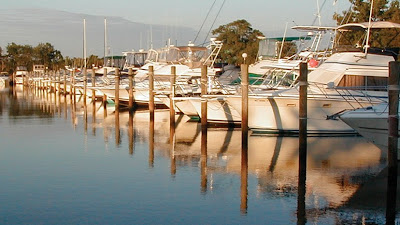
boat docks instantmarinedocksIn Hastings, marina owner Bill King of King’s Cove said only 270 of the 411
slips he has for lease are occupied. “It’s a disposable-income issue.”


'It's a Minnesota thing'

With more than 800,000 registered boats, Minnesota has one of the highest boat ownership rates in the country. Judging from the flip flops, swimsuits and berry-brown skin around area boat docks last week, the allure of playing hooky from work on a Friday afternoon for a lazy cruise with a cooler full of beer and pop remains irresistible, especially after a long winter.

"It's a Minnesota thing," said Tamara Duick of Maple Lake. "You don't have to go far to do it. We've got 10,000 lakes."

The owner of Big Dog Fishing Guide said business is holding its own despite the presence of more guides on the lakes.

"We're doing as well as last year, which was a record year," said Gary Klinger, a Howard Lake resident who offers guide services on Lake Minnetonka. On a recent Thursday, Klinger was waiting for two clients -- one from Scotland -- who were in Minneapolis on business and wanted to fish.

But powerboat makers are suffering from a steep drop in demand that began late in 2005 and actually accelerated through the first part of this year.

Brunswick, which makes Bayliner, Mercury and other brands, was forced to close five plants late in 2008, including one in Pipestone. Its sales plunged 64 percent during the first three months of 2009. Recently, the company took a page from automakers and began pledging to cover nine months of payments for any new boat buyers who lose their jobs.

Area boat retailers say they've had to rely heavily on sales of used boats.

"We're selling every used boat we can get," said Briggs of Wayzata Marine. "I don't think folks want their neighbors to see a new boat in the driveway."

Tougher credit policies are one reason Don Mashak, owner of First National Repossession in Albertville, expects the surge in boat repossessions to slow after rising sharply last year.

"People let their boats go before they let their cars go," Mashak said.
'A disposable-income issue'

King, at King's Cove, said boat sales go in cycles but that the current down cycle "is elongated." He said sales of larger boats -- 26 feet or more -- are most affected by the economy and the financing squeeze.

"It's a disposable-income issue," King said. "People are turning to other recreational activities -- motorcycles, RVs, travel, home improvement. It's competition."